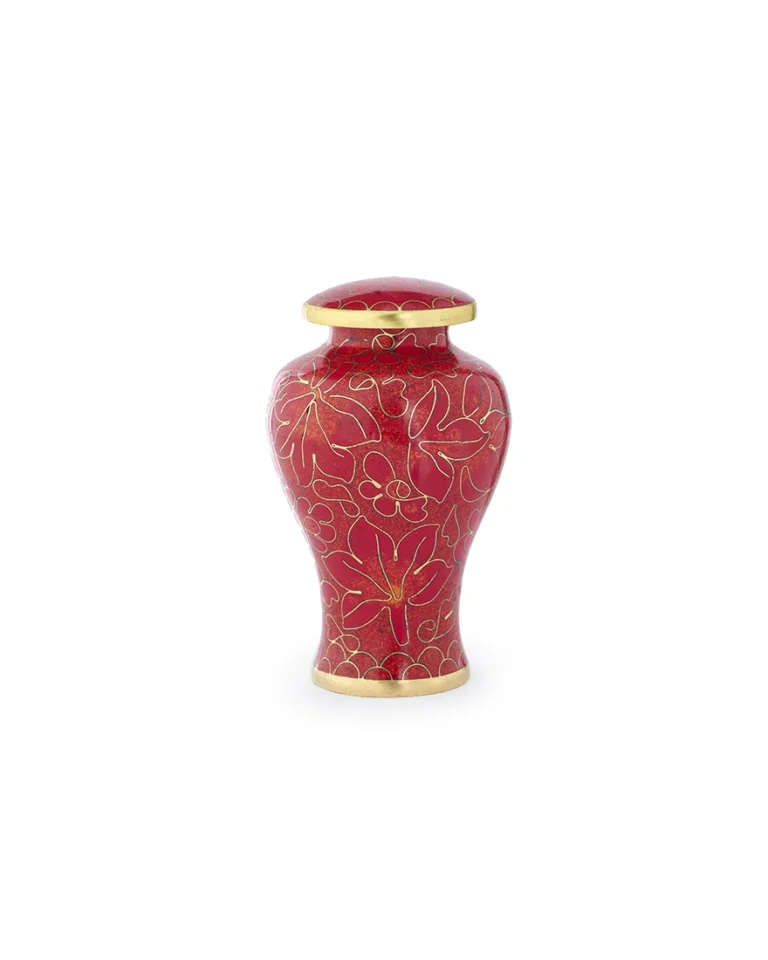
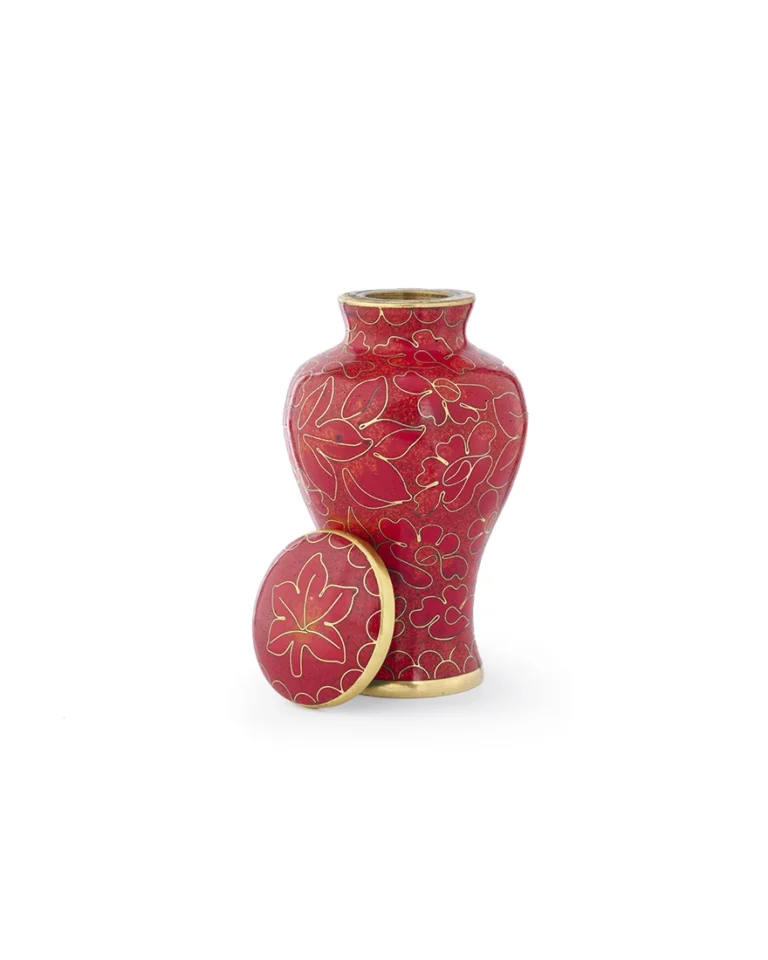
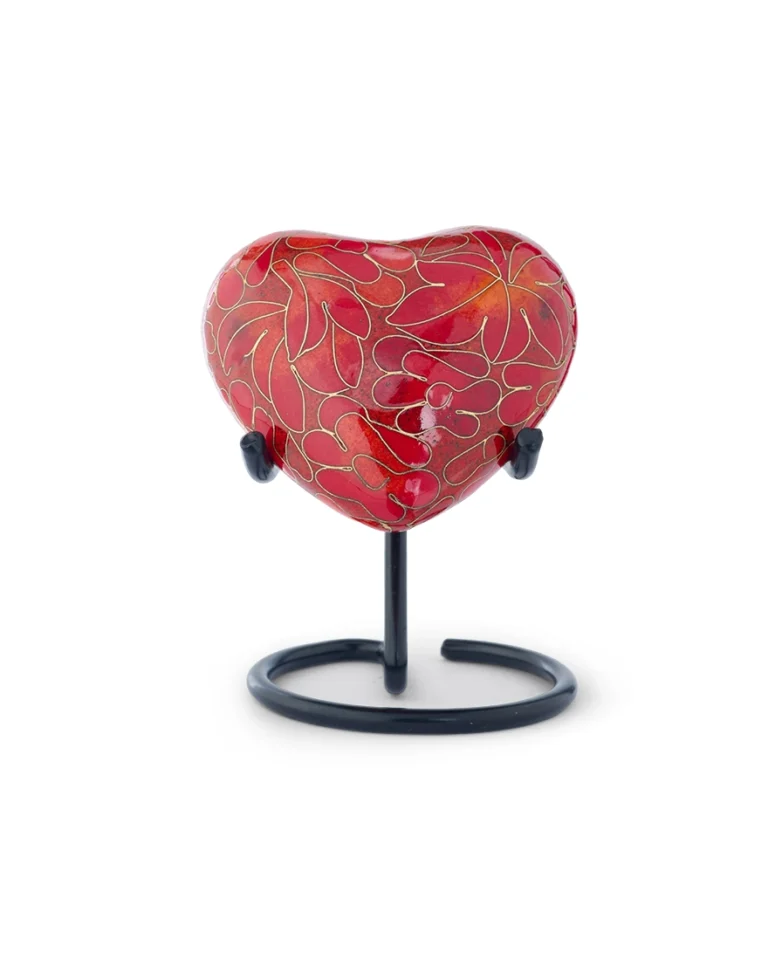
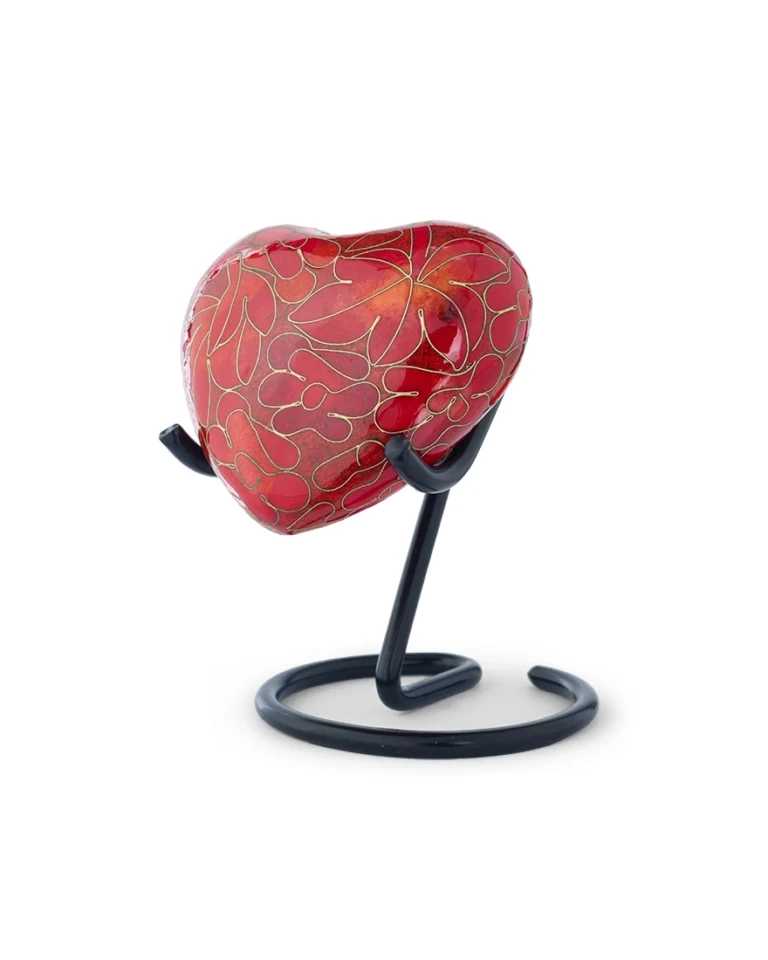
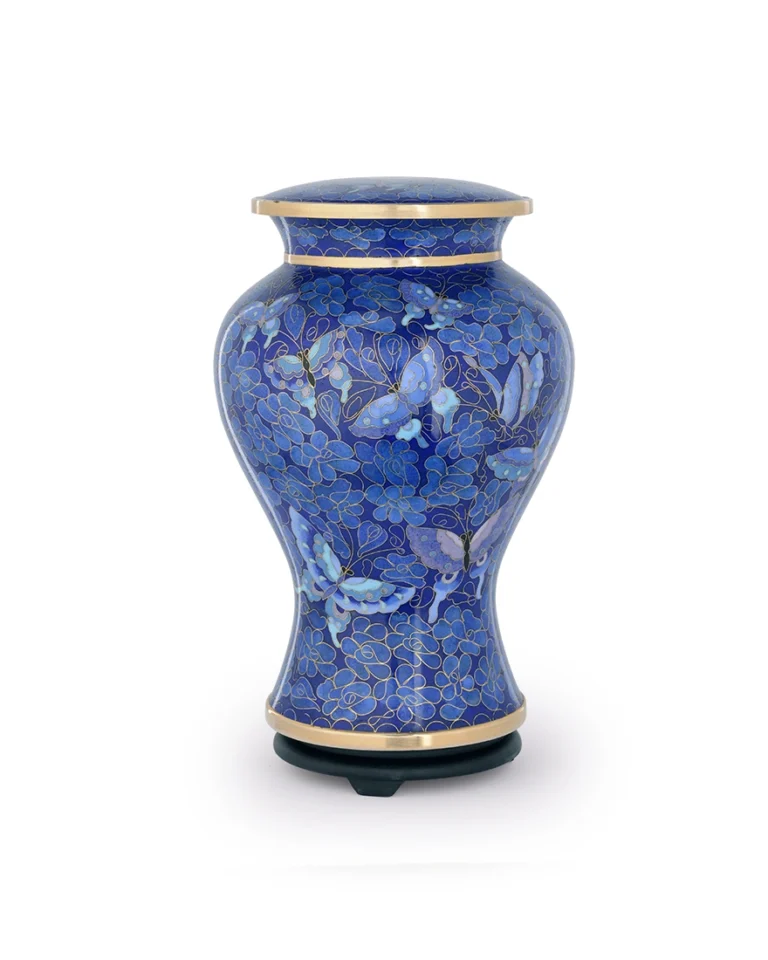
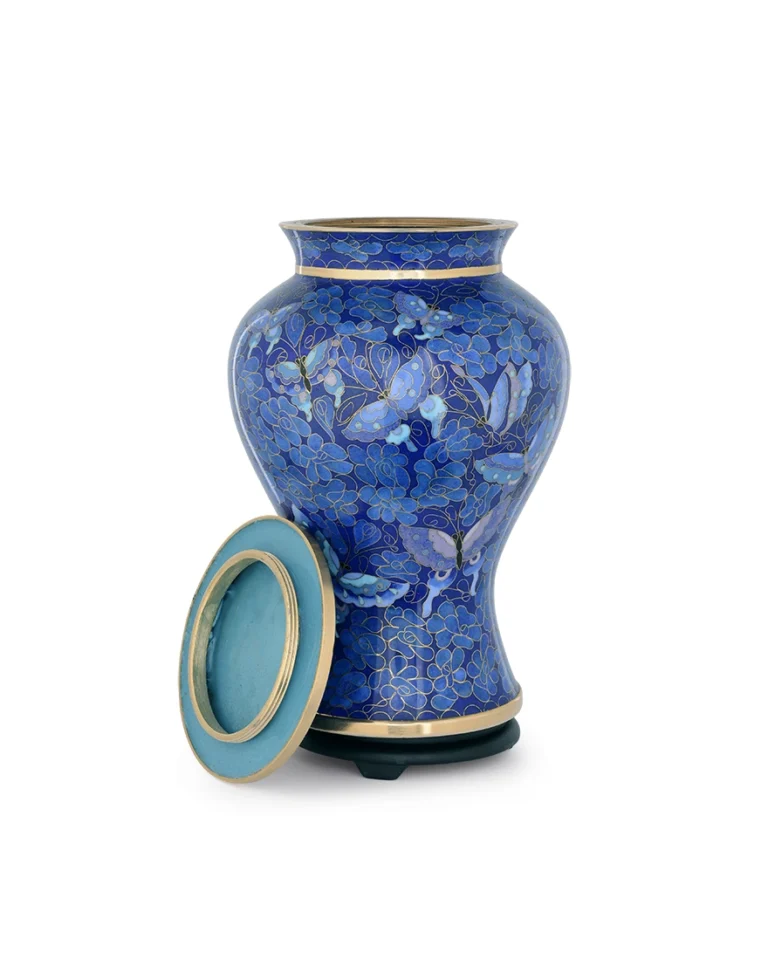
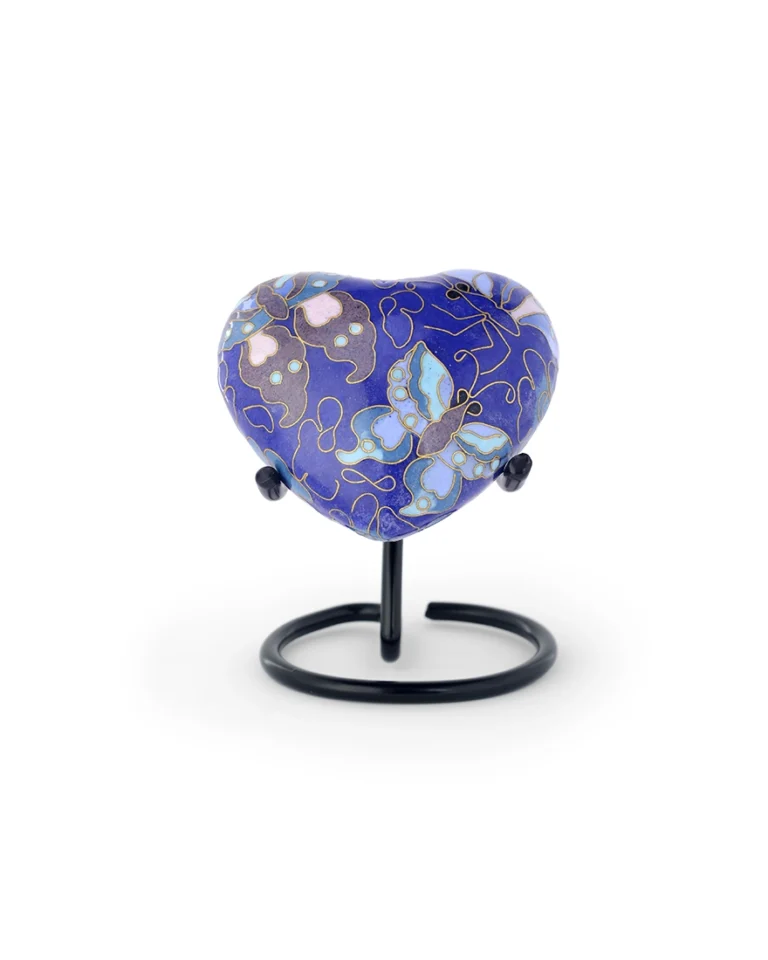
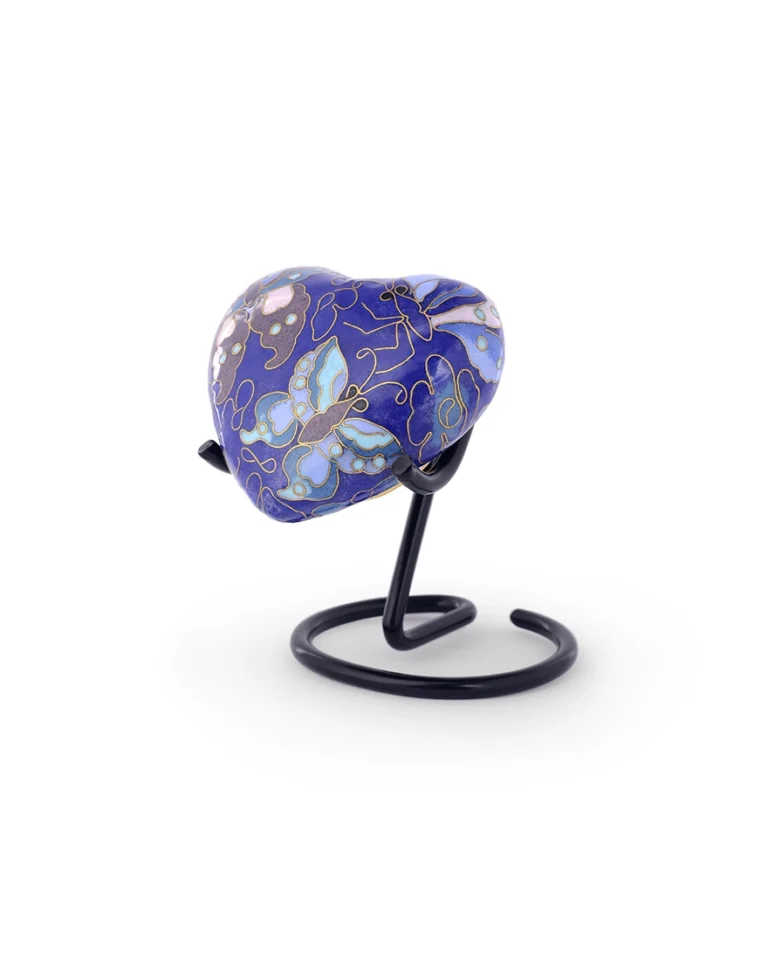
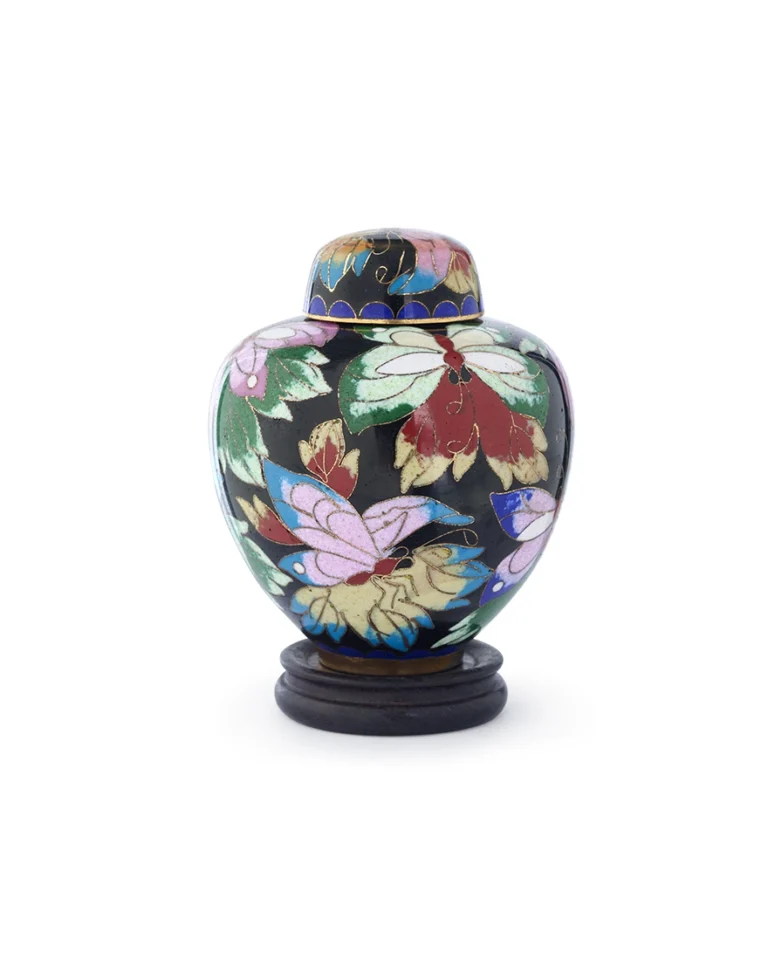
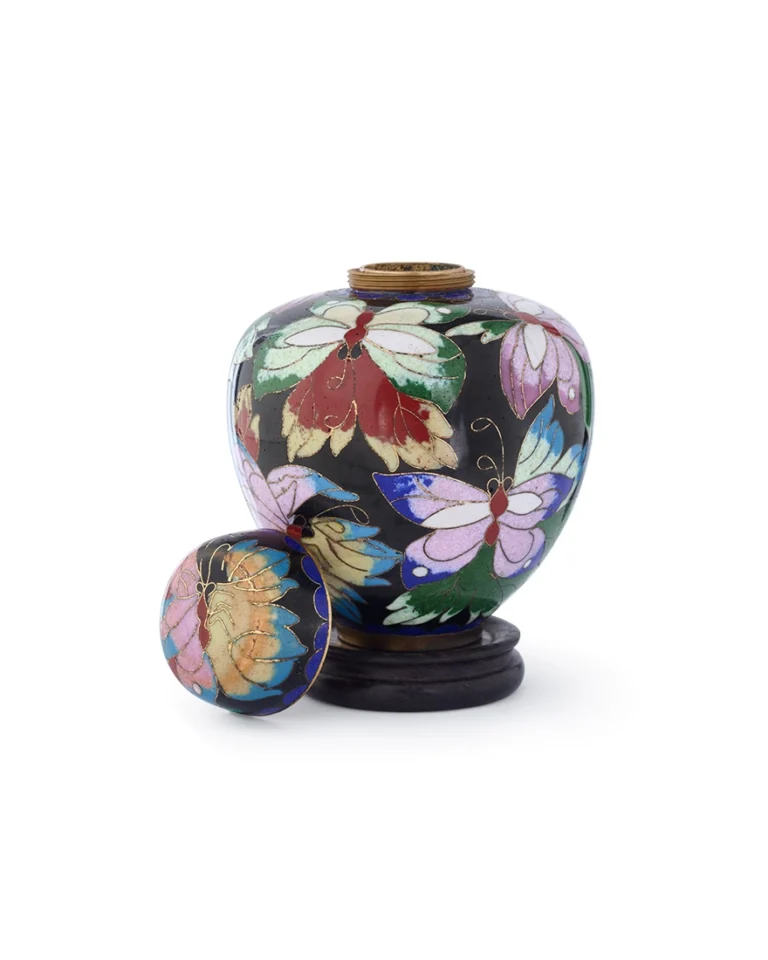
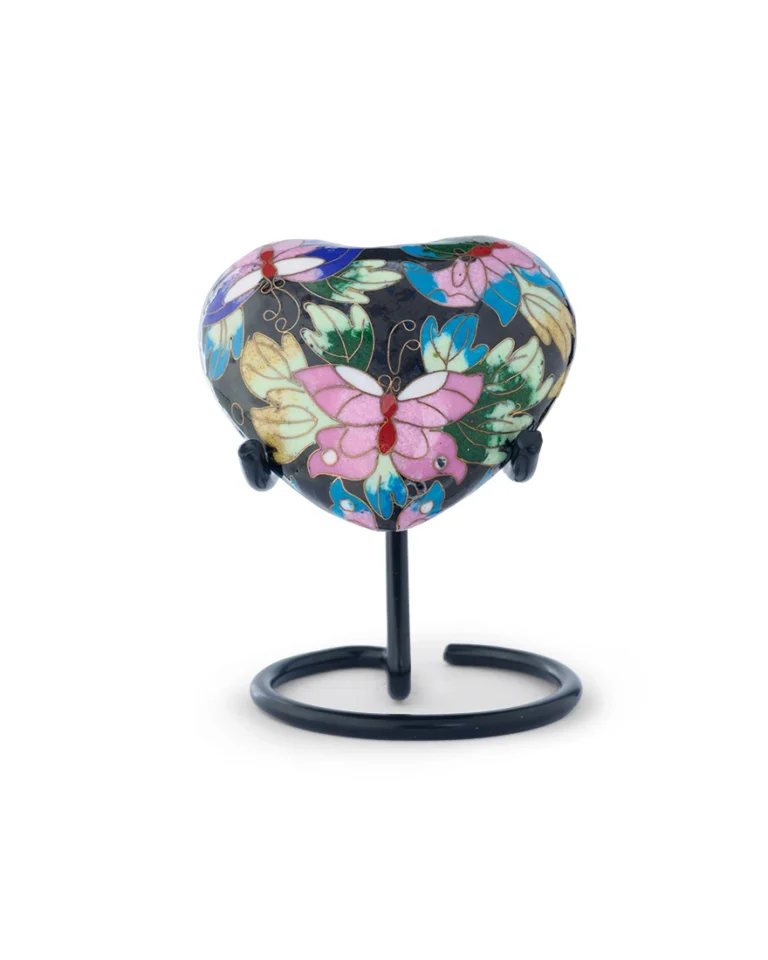
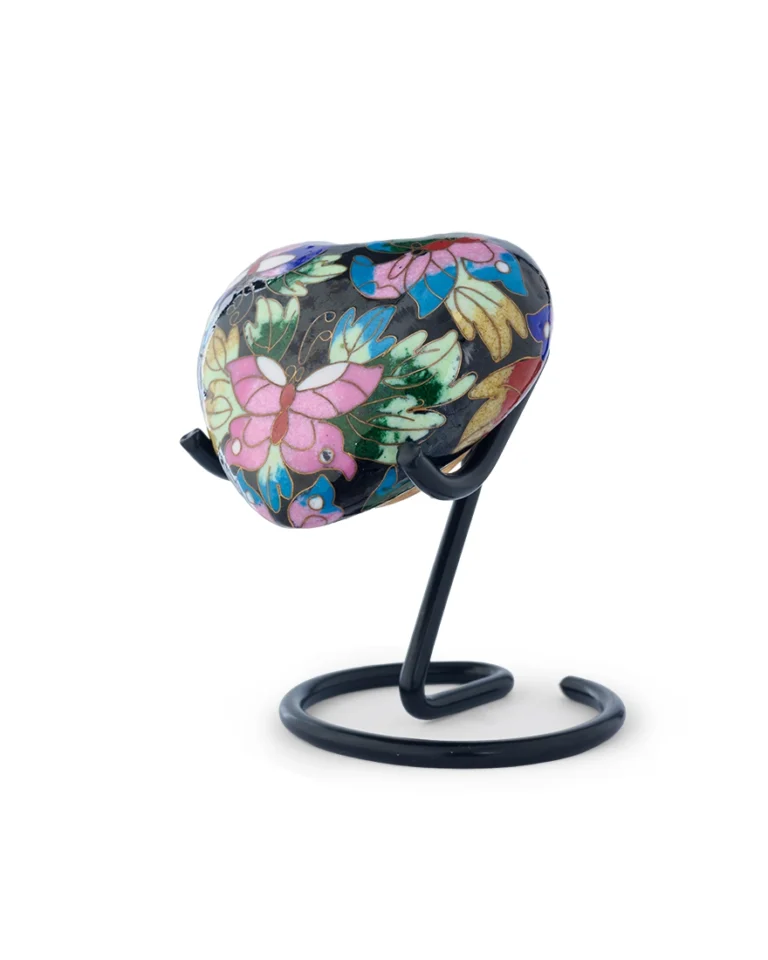
Cloisonne Urns
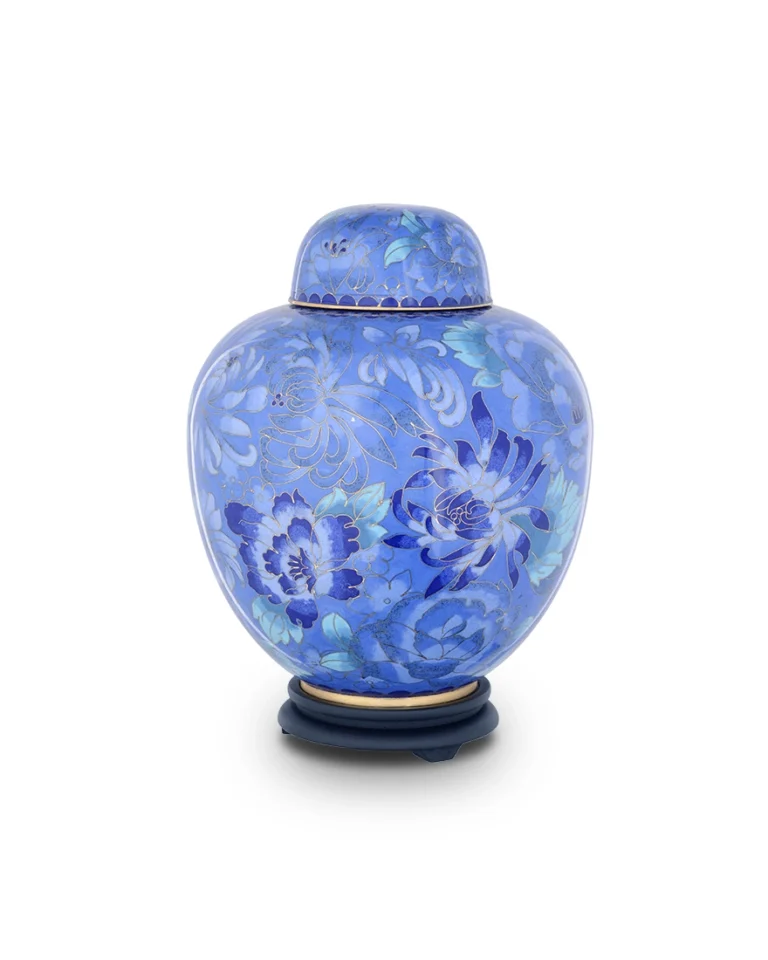
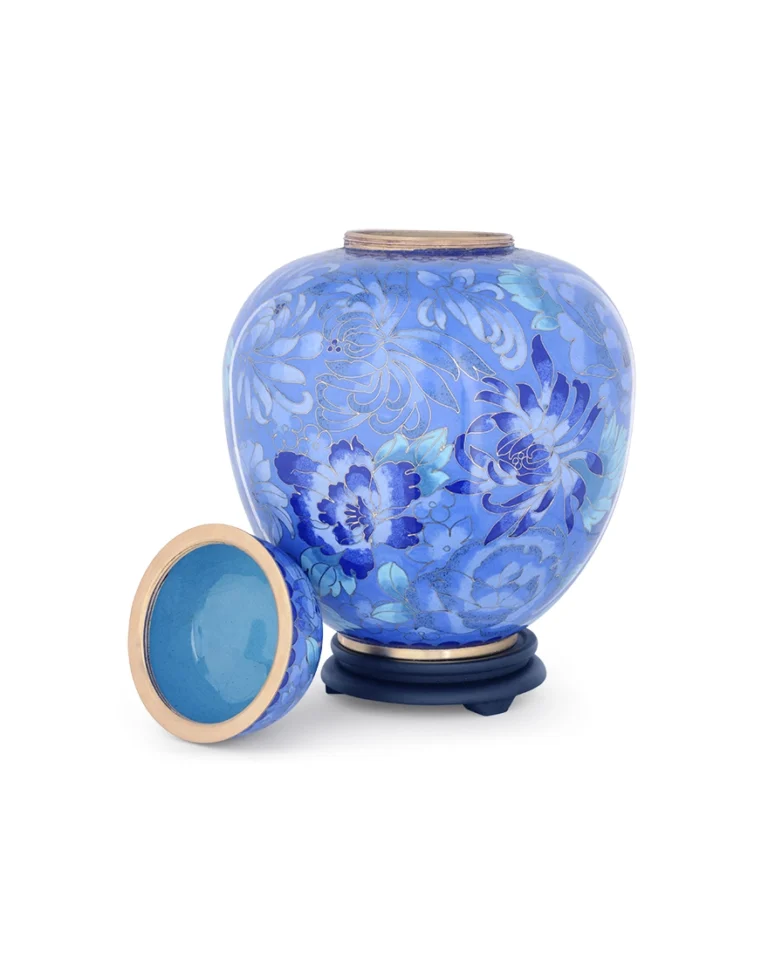
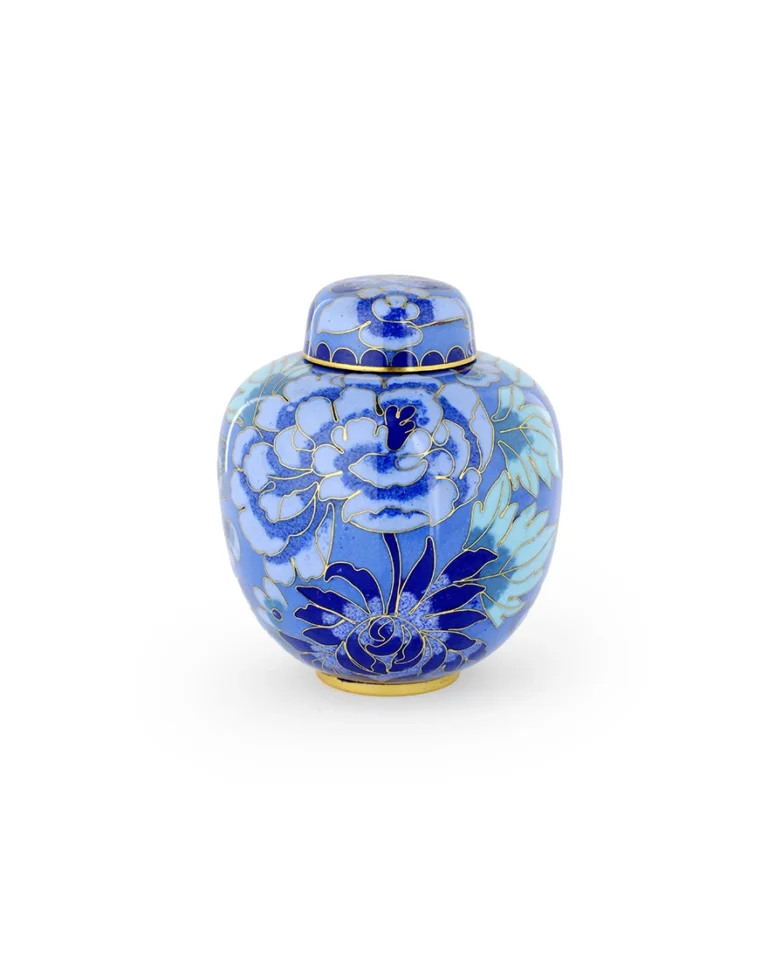
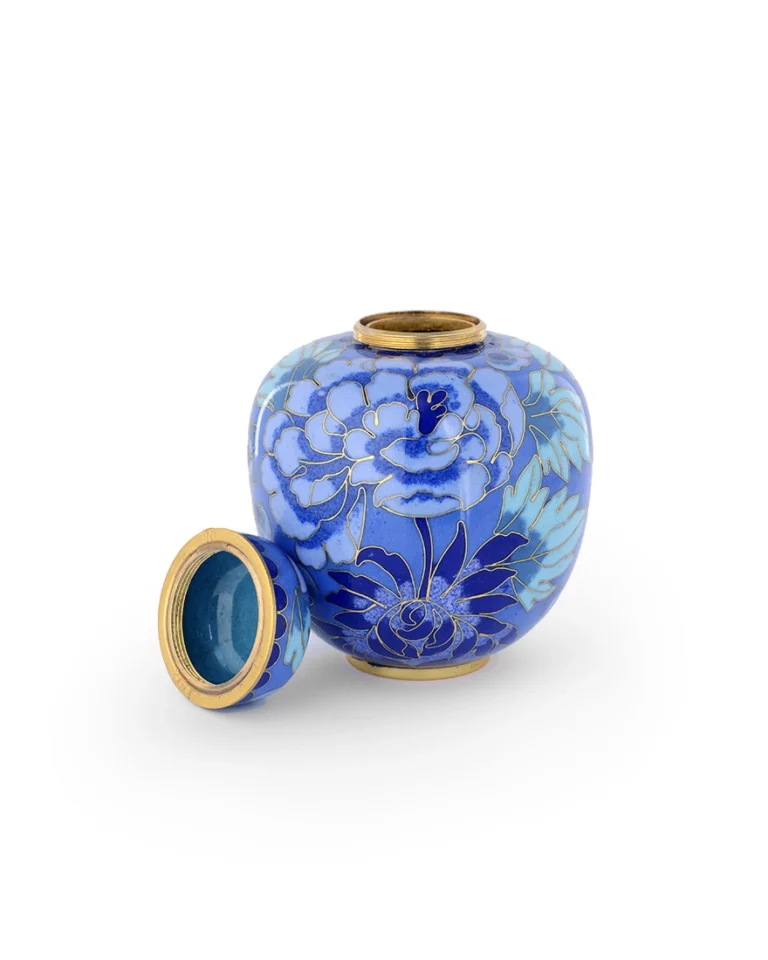
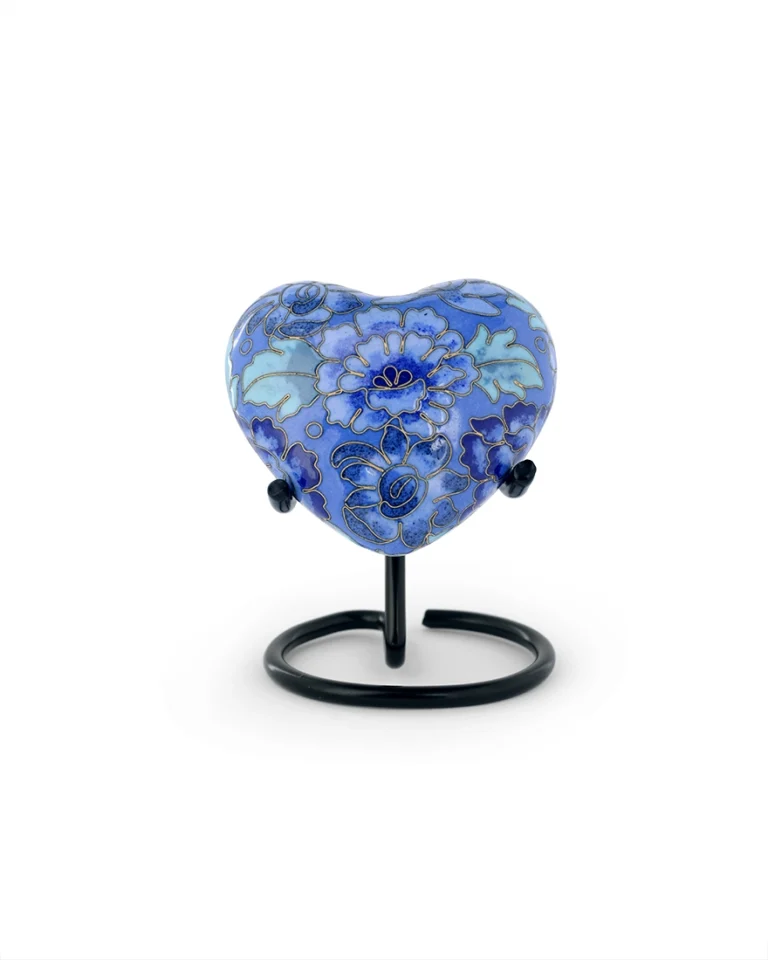
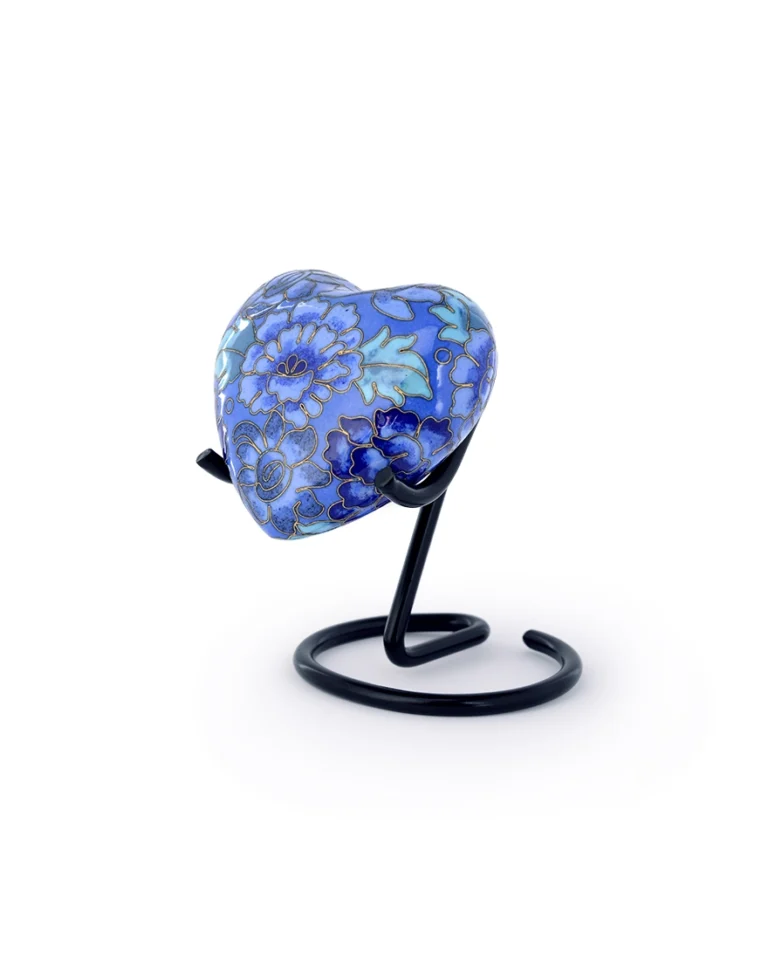
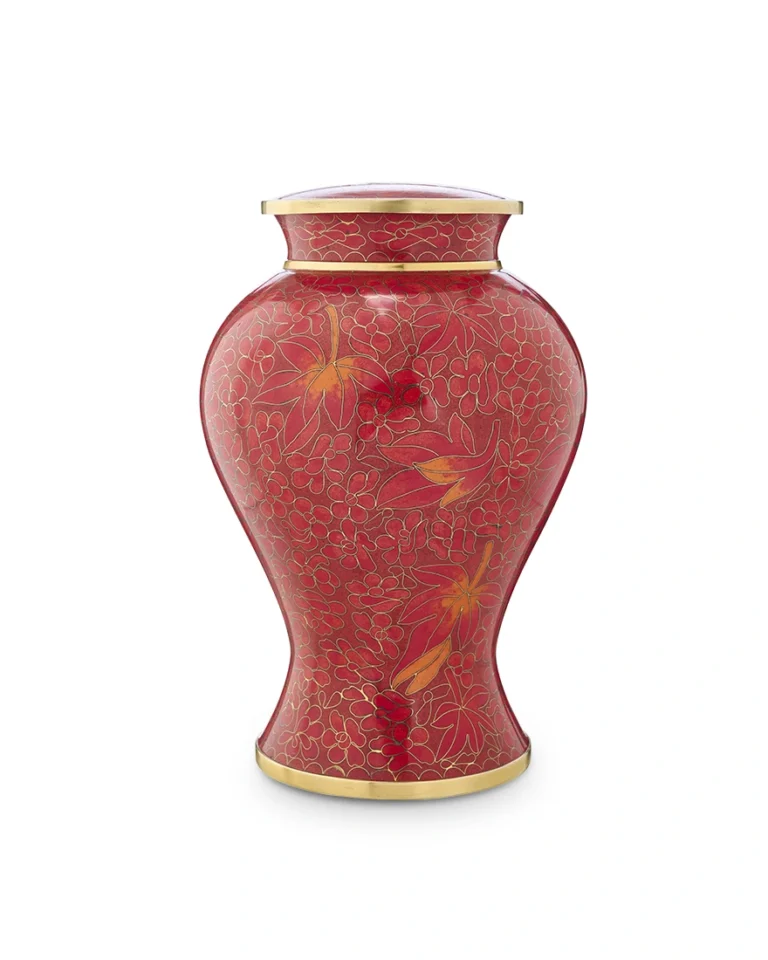
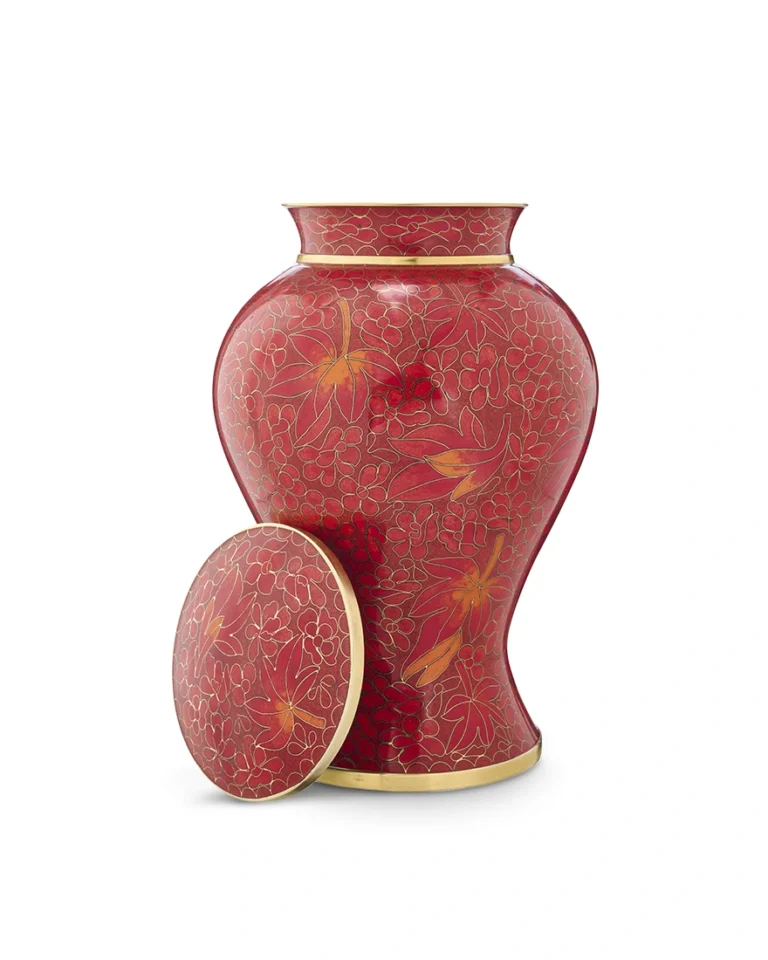
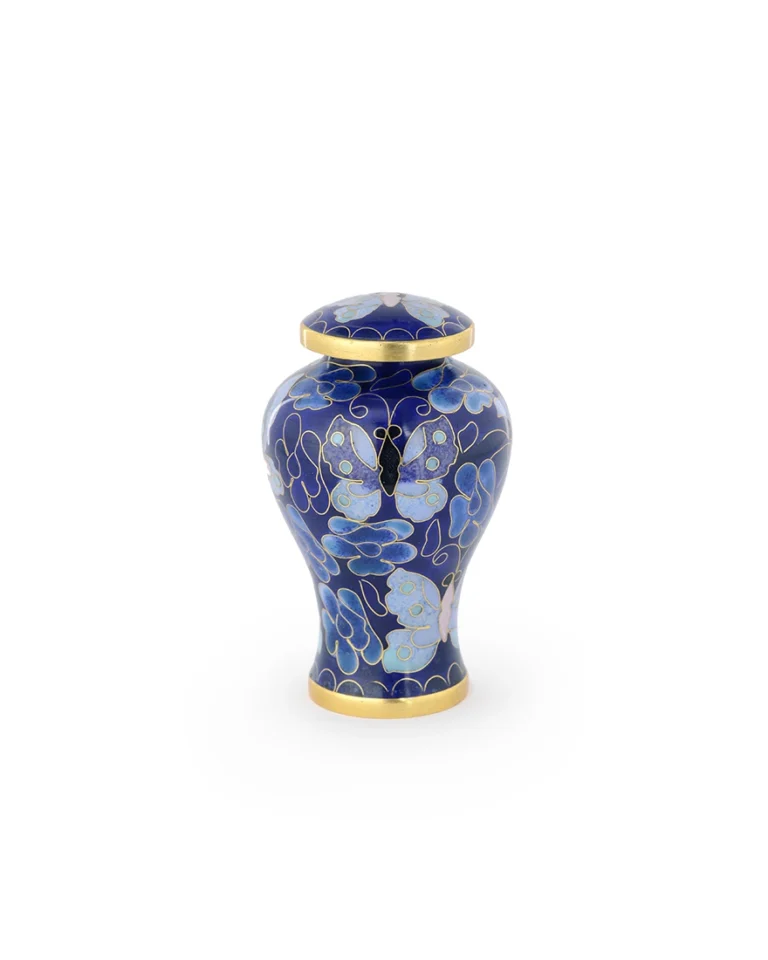
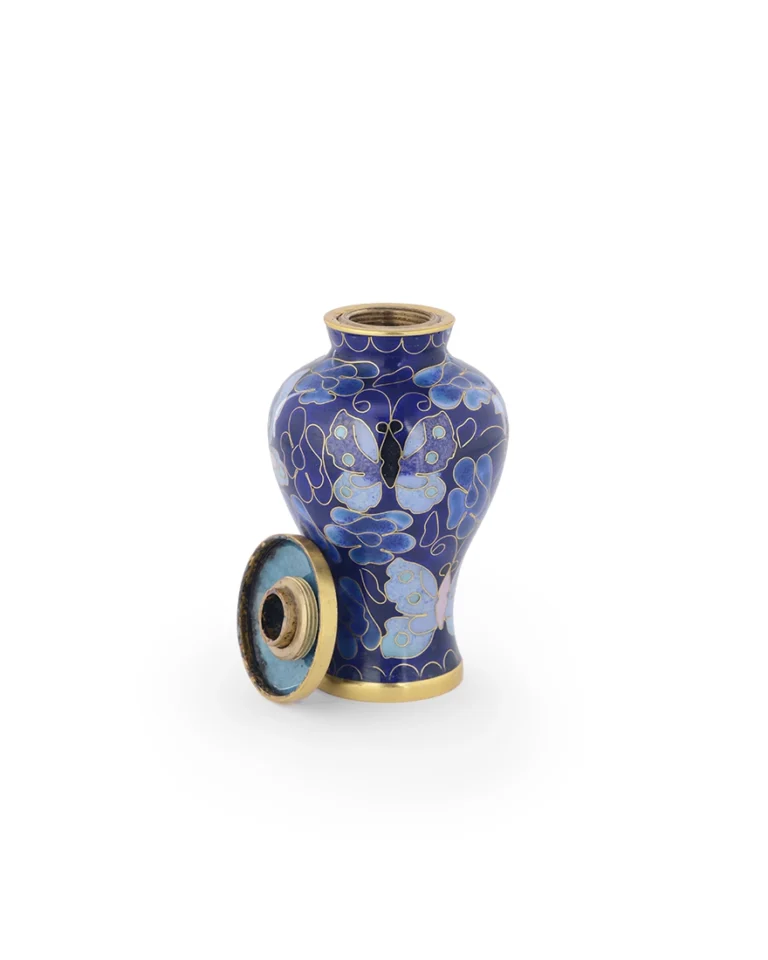
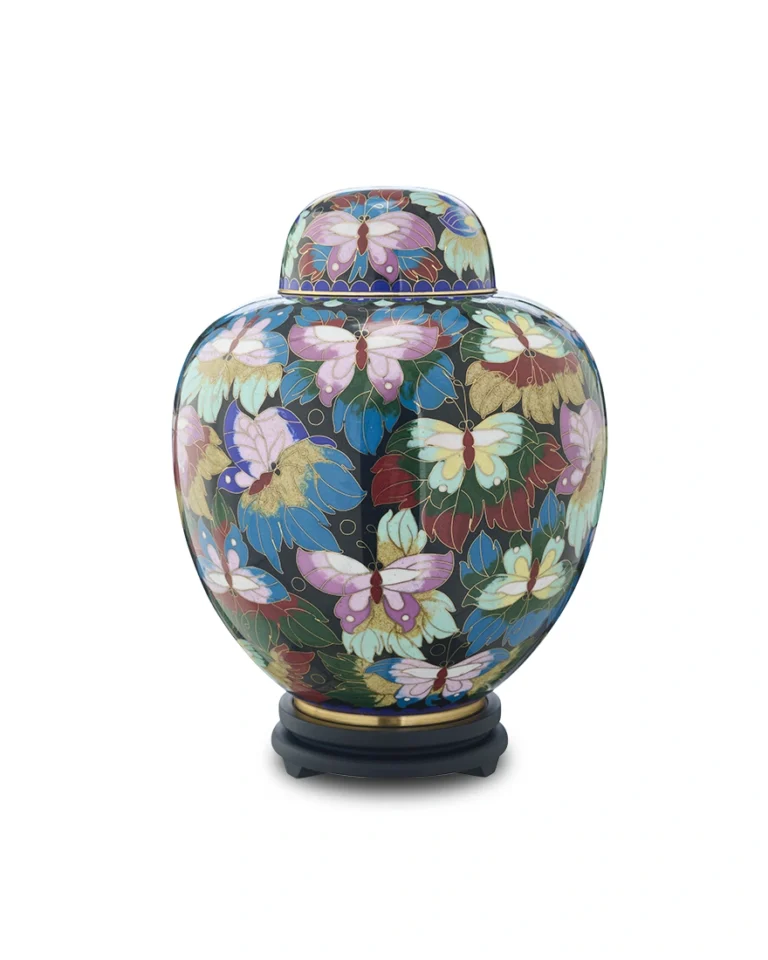
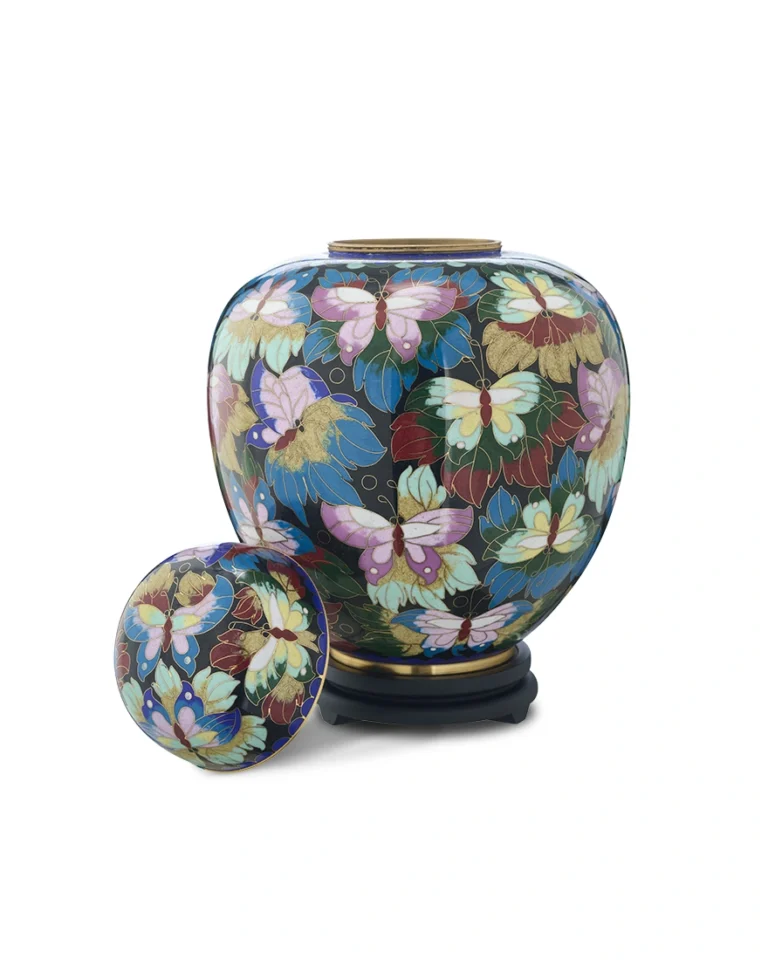
Not every enameled urn is considered true cloisonne. Authentic cloisonne is created by carefully shaping fine metal wires into decorative patterns, then filling each compartment with colored enamel before firing and polishing. This labor-intensive process has been practiced for centuries and is what gives cloisonne its distinctive depth, brilliance, and craftsmanship.
Cloisonne Urns
Cloisonne Urns – Frequently Asked Questions
Clear answers about cloisonne urns, their craftsmanship, and what makes them a meaningful choice for lasting remembrance.
A: A cloisonne urn is more than a metal urn with color applied to its surface. Traditional cloisonne is created by shaping fine metal wires into decorative patterns and carefully filling each section with enamel before firing and polishing. The result is a level of depth, detail, and craftsmanship that is difficult to achieve with painted or printed designs alone.
A: Not every decorative enamel urn is authentic cloisonne. True cloisonne follows a centuries-old process in which delicate metal partitions are formed first, then filled with enamel by hand. While some urns may feature colorful enamel finishes, authentic cloisonne is defined by the craftsmanship behind the design rather than the appearance alone.
A: Yes. Cloisonne has been valued for generations because enamel colors remain vibrant over time and resist fading under normal indoor conditions. Many families choose cloisonne urns because they combine artistic beauty with exceptional durability, making them well suited for permanent display in the home, a columbarium, or another memorial setting.
Because the enamel is fused to a metal surface through a high-temperature firing process, cloisonne is known for retaining its color and intricate detail for many years when properly cared for.

A: Every family remembers a loved one differently. Some are drawn to cloisonne because of its artistry, while others appreciate the warmth and character that handcrafted details bring to a memorial.
The rich colors, intricate patterns, and distinctive craftsmanship often feel more personal than a plain metal urn, creating a tribute that reflects both remembrance and individuality.
A: Many people think so.
Unlike mass-produced decorative urns, cloisonne pieces require extensive hand craftsmanship. The combination of metalwork, enamel artistry, and intricate detailing gives each piece its own character. For families seeking something meaningful and distinctive, a cloisonne urn often feels as much like a work of art as it does a memorial vessel.
A: No. Because cloisonne involves hand craftsmanship, slight variations may occur from one piece to another. These subtle differences are a natural part of the process and are often appreciated as part of what makes each urn unique.
A: Absolutely. Cloisonne urns are frequently chosen for memorial services, celebrations of life, and long-term remembrance. Their elegant appearance can provide a comforting focal point during a ceremony while remaining a lasting tribute afterward.
A: Cloisonne is a decorative art form with a rich history spanning centuries. While the technique has been practiced and refined across different cultures, it is widely admired today for its craftsmanship, intricate detail, and artistic beauty.
Many families choose a cloisonne urn not because of a particular cultural tradition, but because it feels less like a decorative container and more like a meaningful work of art created to honor a remarkable life.
Real Customer
Reviews
Caring
Help
Fast & Free
Shipping
Same Day
Engraving
Make it
Personal
Real Customer
Reviews
Caring
Help
Fast & Free
Shipping
Same Day
Engraving
Make it
Personal