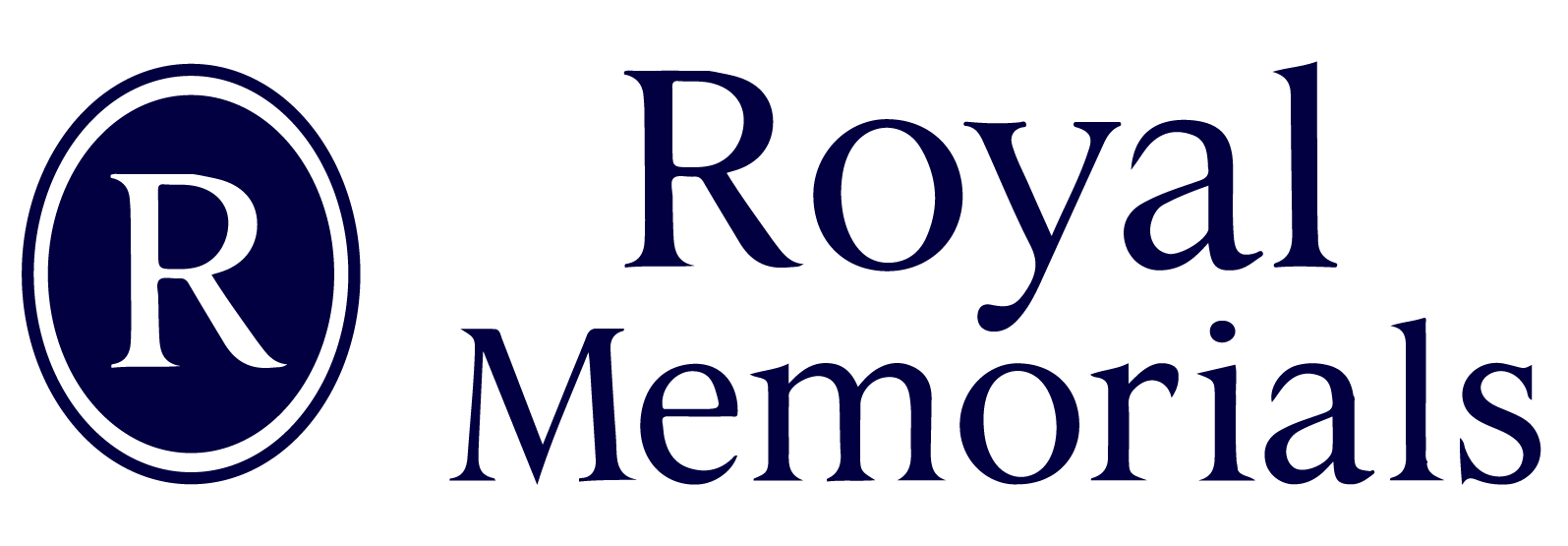

When choosing cremation jewelry, the design is often what catches your attention first. A shape, symbol, color, or finish may immediately remind you of the person or companion you are remembering. The material plays a different but equally important role. It affects how the piece feels, how it wears over time, how it should be cared for, and how the finished design comes across when you wear it.
For some people, a memorial necklace needs to be simple, comfortable, and suitable for everyday wear. For others, the appeal may be a distinctive surface, rich color, or the craftsmanship behind the piece. There is no single material that is right for everyone. What matters is finding a combination of material, construction, and design that fits the way you want to remember someone.
Why Material Matters in Cremation Jewelry
Cremation jewelry is small by design, but the material has a noticeable effect on the finished piece. Stainless steel can create a clean and understated appearance, while titanium offers a lightweight alternative for those who prefer a lighter feel. Cloisonne brings color and decorative craftsmanship to the surface, creating a very different visual character. Zinc alloy can also be useful for particular shapes and design treatments.
Material also influences everyday use. A pendant worn regularly will come into contact with clothing, skin, moisture, and personal-care products, while a piece reserved for special occasions may have different requirements. Maintenance, comfort, surface finish, and construction all become part of the decision once a memorial piece is something you expect to keep close for years.
The Materials We Use in Our Cremation Jewelry
At Royal Memorials, our cremation jewelry currently includes 316L stainless steel, titanium, Cloisonne, and zinc alloy. We do not consider these materials interchangeable. Each gives us a different way to approach a memorial design, and the choice depends on the form, intended use, finish, and overall character of the piece.
316L stainless steel is one of our primary materials for contemporary memorial jewelry. It offers durability, corrosion resistance, and a clean appearance that works well with polished, satin, darkened, and two-tone finishes. It is a practical choice for many customers who expect to wear their memorial jewelry regularly.
Titanium provides another modern option, particularly where low weight and durability are important considerations. For some wearers, that combination makes titanium appealing for jewelry intended to stay close throughout the day.
Zinc alloy is used selectively where its characteristics support a particular shape, detail, or decorative treatment. It gives designers flexibility for certain forms that may be approached differently in stainless steel or titanium.
Cloisonne is different from simply choosing another metal. It is a decorative enamel technique in which colored enamel is formed within defined metal areas, creating patterns, depth, and color that become part of the character of the finished piece.
For a closer look at the craftsmanship behind Cloisonne, see our Cloisonne craftsmanship.
Cloisonne has an especially important place in the Royal Memorials cremation jewelry collection. We did not choose it simply because it can be positioned as a more expensive option. We chose it because the craftsmanship brings something genuinely different to memorial jewelry. Its rich colors, detailed patterns, and hands-on workmanship can make a small pendant feel like a piece of art as well as a piece of jewelry. For us, its value is not simply in its price, but in the time, craftsmanship, design, and care that go into creating something worthy of remembrance.
Stainless Steel and Cloisonne: Two Different Approaches to Memorial Jewelry
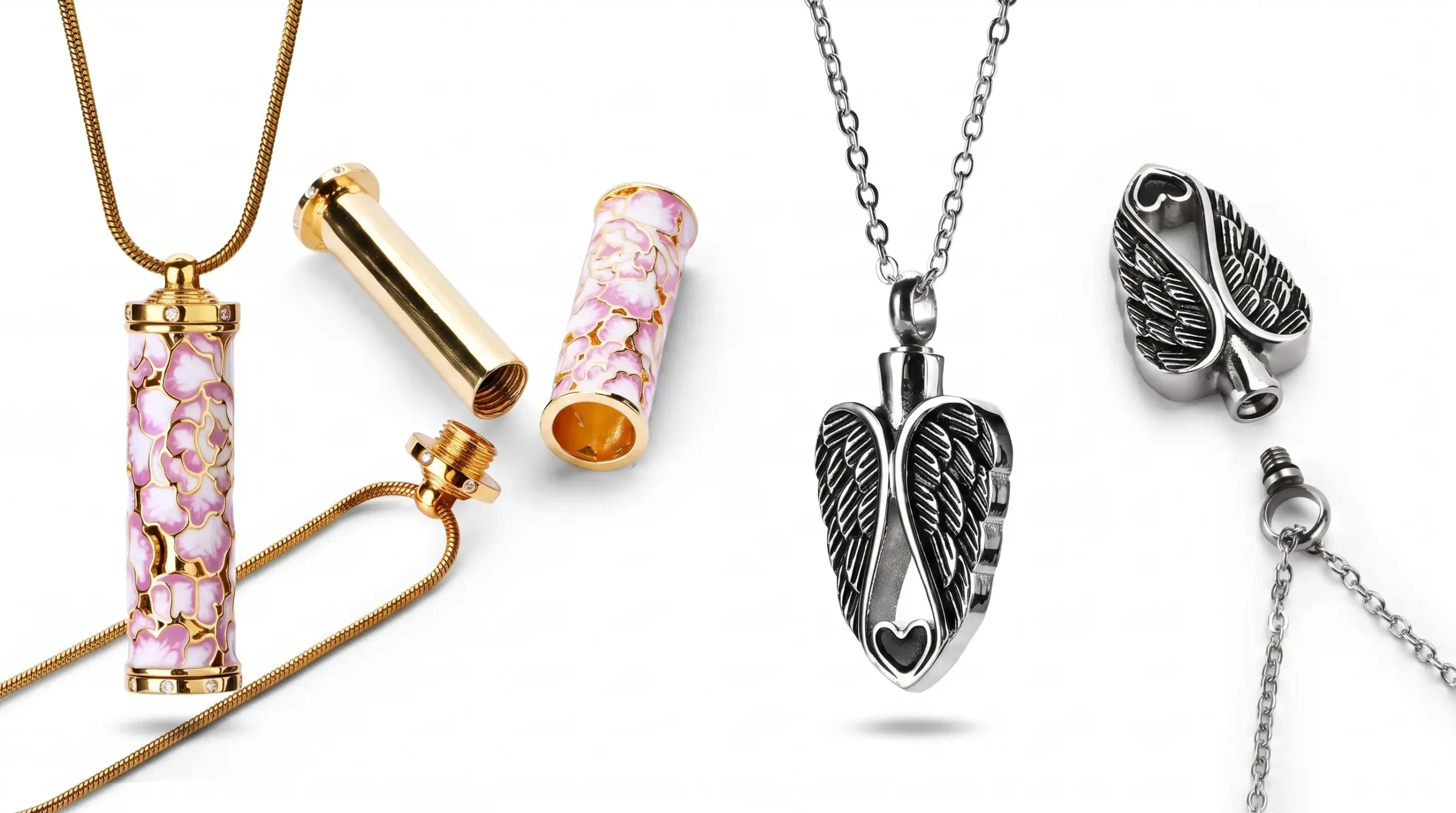
The difference between stainless steel and Cloisonne is more than a difference in appearance. Stainless steel describes the metal used to make a piece, while Cloisonne describes a decorative enamel technique that changes the character of the finished surface. One tends to create a cleaner and more contemporary look; the other can introduce color, pattern, and a stronger sense of decorative craftsmanship.
For everyday wear, 316L stainless steel is often a practical choice. It is durable, relatively easy to maintain, and versatile enough to work with many different designs. That does not mean stainless steel is immune to scratches or normal signs of use, but it is well suited to the realities of regular wear. Titanium can offer a similar practical approach when a lighter pendant is preferred.
Cloisonne asks for a little more attention to the decorative surface. The enamel can remain beautiful for many years with reasonable care, but unnecessary impacts, abrasive cleaning, and harsh chemicals should be avoided. Its appeal is not that it requires no maintenance; its appeal is that the craftsmanship and color give the memorial a character that a plain metal surface cannot provide in quite the same way.
Comfort depends on the entire piece rather than the material name alone. Pendant size and weight, chain or cord, edges, and the way the jewelry sits against the skin all contribute to the wearing experience. 316L stainless steel is widely used in jewelry and is generally well tolerated, but it should not be described as allergy-proof. Anyone with a known metal or nickel sensitivity should review the material specifications of the particular piece before purchasing.
For either material, simple care goes a long way. A soft cloth and gentle cleaning are generally preferable to abrasive products, while prolonged exposure to chlorine, salt water, perfume, lotions, and other harsh substances is best avoided. Removing memorial jewelry before swimming or showering can also reduce unnecessary exposure to moisture and chemicals.
| Consideration | Stainless Steel | Cloisonne |
|---|---|---|
| Primary characteristic | Durable metal material | Decorative enamel craftsmanship |
| Overall character | Modern, clean, versatile | Colorful, detailed, distinctive |
| Everyday wear | Well suited to regular use | Suitable with appropriate care |
| Maintenance | Generally straightforward | Gentler care for the enamel surface |
| Design possibilities | Wide range of metal finishes and forms | Strong emphasis on color and decorative detail |
| Best suited to | Practical, understated memorial jewelry | Expressive and highly distinctive memorial jewelry |
Neither is inherently better. They simply create different kinds of memorial jewelry, and the better choice depends on what matters most to you.
What Matters Beyond the Material
Material is only part of the finished piece. The construction of a cremation pendant matters just as much, particularly because the jewelry is designed to hold a small symbolic portion of cremated remains or another meaningful keepsake. Threaded closures, sealing components, attachment points, chains or cords, and overall workmanship all contribute to how secure and comfortable the piece feels when you wear it.
A strong material cannot compensate for poor construction, just as an attractive surface does not tell you everything about how a pendant was assembled. When comparing memorial jewelry, it is worth looking at the complete product rather than judging it from the material name alone. For a broader explanation of the qualities we consider important in cremation jewelry, see our What Makes High-Quality Cremation Jewelry?.
The Royal Memorials Quality Standard
Our approach to quality begins before a finished piece reaches inspection. Royal Memorials works with selected suppliers within our quality-control system, choosing manufacturing partners based on their ability to meet the requirements of the products we develop and the standards we expect from finished memorial pieces. We believe consistency starts with the supply chain rather than waiting until the final product is complete.
Every finished memorial piece then goes through our White Glove Inspection™ process before shipment. The purpose is simple: to identify workmanship or presentation issues before the piece reaches the customer. This standard applies across our cremation jewelry collection, regardless of whether a piece is made from stainless steel, titanium, zinc alloy, or incorporates Cloisonne craftsmanship.
Cloisonne is an especially important part of that collection because it represents the kind of craftsmanship we want Royal Memorials to be known for. We see these pieces as more than another category of jewelry. The handmade character, layered color, detailed surface, and time involved in the work give them a sense of individuality that is difficult to achieve with a conventional metal pendant. They have become one of the signature directions of our collection—not because they are simply more expensive, but because their craftsmanship gives us a different way to express remembrance.
Where personalization is available, engraving can add another layer of meaning without changing the character of the design. Names, dates, or short messages can make an already personal piece feel even more closely connected to the person being remembered. You can learn more about our approach to complimentary engraving in Why We Offer Free Engraving on Every Memorial Urns.
Choosing the Material That Fits Your Life
The best material for cremation jewelry is not necessarily the most expensive, the most decorative, or the most popular. Someone looking for a modern piece for everyday wear may naturally prefer stainless steel. Someone who values a lightweight pendant may prefer titanium. A person drawn to color, traditional craftsmanship, and a distinctive artistic character may find that Cloisonne feels much more personal. Zinc alloy can also be the right choice when a particular design calls for the shape or decorative treatment it allows.
The decision becomes easier when the material is considered together with the rest of the piece: its design, construction, weight, comfort, maintenance, and the way you imagine wearing it. The goal is not to find a universally superior material. It is to find a memorial piece that feels right and can become a natural part of the way you remember someone.
For a broader look at choosing a memorial necklace, see our Cremation Jewelry Guide: Choosing the Right Memorial Necklace. To explore current design directions and personalization, read 2026 Memorial Jewelry Trends: Meaningful Designs & Personalization.
Explore Royal Memorials Cremation Jewelry
When you are ready to look at the actual designs, explore the Royal Memorials Cremation Jewelry Collection. Among the collection, our Cloisonne memorial jewelry represents one of the clearest expressions of what we want the brand to create: thoughtfully designed pieces in which craftsmanship, color, and remembrance come together.
Whether you prefer the clean practicality of stainless steel, the lightness of titanium, or the color and craftsmanship of Cloisonne, the purpose remains the same—to create something meaningful that can stay close.
What Makes High-Quality Cremation Jewelry?
Losing someone we love changes the way we hold onto memories. For many families, a cremation urn provides a permanent
What Is Cloisonné? Understanding Authentic Craftsmanship Behind Cloisonne Urns for Ashes
Cloisonné is widely admired for its intricate patterns and vibrant enamel surfaces, yet its true value is often misunderstood. In